The Clunky Era of the “Frankenstein” Phone Bot
We have all experienced it. You call a business, and you are greeted by an AI agent that feels like a disjointed robot. There is an awkward, multi-second lag after you speak. The voice sounds completely mechanical, completely missing your jokes, your frustration, or your urgency.
This frustrating experience happened because older AI phone systems were built like a “Frankenstein” assembly line using three completely separate pieces of software slapped together:
-
Speech-to-Text (STT): The system took your spoken voice, stripped away all sound, and typed it out into a flat text transcript.
-
The Large Language Model (LLM): A text-based AI brain read that flat transcript and typed out a text reply.
-
Text-to-Speech (TTS): A computer-generated generic voice read that text reply back out loud to you.
Because the system had to constantly translate sound into text, and text back into sound, it created a massive lag. Worse yet, because your voice was stripped down to raw text, the AI completely lost your humanity. It couldn’t hear how you said what you said.

The Breakthrough: Direct Audio-to-Audio Processing
The technology has officially evolved past this translation loop. Today, leading-edge voice engineering relies on direct Audio-to-Audio models.
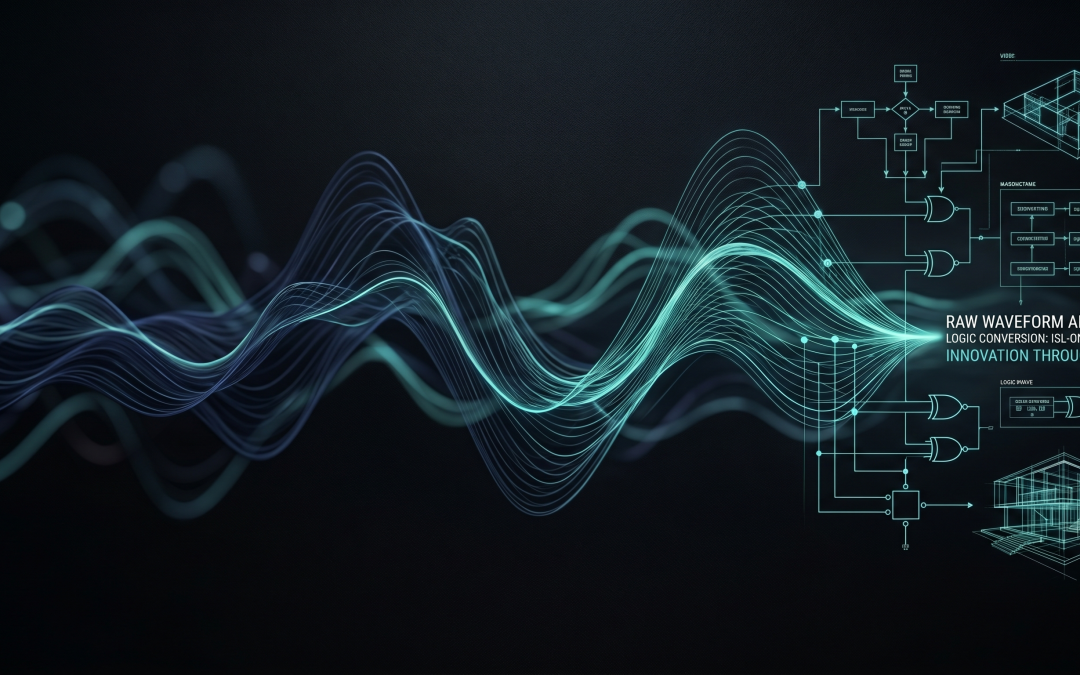
Instead of translating your voice into text, the AI processes your raw audio natively. Sound goes in, and sound comes directly out.
By keeping the entire interaction in its native audio format, we unlock a level of performance that changes everything for the end user:
-
Near-Zero Latency: Because the system cuts out the middle translation steps, the conversational lag drops dramatically. The agent replies instantly, creating a fluid, natural cadence that mimics a real human rhythm.
-
Emotional Perception: The system doesn’t just process your vocabulary; it analyzes pitch, speed, inflections, and pauses. It can instantly recognize the difference between a calm inquiry and an anxious customer calling about an active emergency.
-
Intelligent Interruption Management: In the old model, if you spoke while the robot was talking, it would blindly keep reading its script. Native audio models can dynamically hear when you interject, pause its own speech instantly, and listen to your new direction.
Why Native Sound Matters for Your Brand
When a customer picks up the phone to call your business, they are seeking a human connection. If your phone engine sounds like a broken automated machine, it damages trust.
By deploying custom voice architecture natively engineered for direct audio processing, you give your customers an experience that feels deeply respectful of their time. They are met with tone-matching, intelligent voice interactions that make them feel genuinely heard, rather than handled.
Experience the Audio-to-Audio Revolution
Don’t settle for yesterday’s robotic text-translators. Book a quick, 30-minute technological overview with the HAI Connect engineering team today. We will dial directly into our live audio-native infrastructure frameworks right from your cell phone so you can hear the natural, responsive difference firsthand.